
Forecasting is only useful if it changes timing.
The aim is not to produce a prettier chart. It is to understand whether current booking momentum is enough, where the pressure sits, and which sites need attention first.
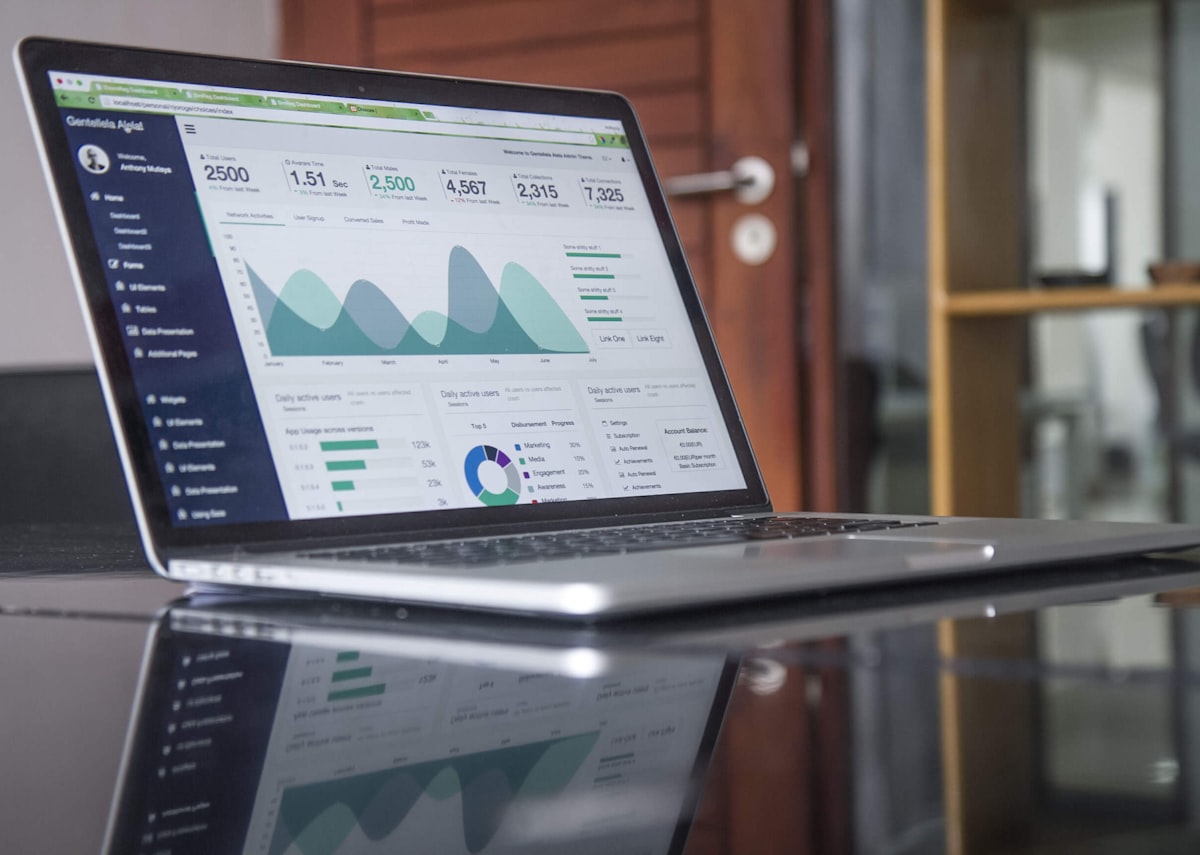
Operators should measure movement, not just stock and bookings.
A high-level occupancy number can hide the real story. Useful forecasting depends on underlying movement across pace, room type, site variation, and commercial follow-up.
- Current booking pace against target.
- Projected fill by site or room type.
- Variation between buildings and sub-markets.
- Signals that show whether response speed is helping or hurting conversion.
"A high-level occupancy number can look reassuring right up to the point where it becomes a problem. Movement data tells the earlier story."
The four signals most operators measure too late
- Booking pace drift — when daily rates slow before the gap is visible at portfolio level.
- Room type imbalance — oversupply in one category masking underperformance in another.
- Site variation — individual buildings running ahead or behind the portfolio average.
- Response lag — slower follow-up correlating with conversion drops.

Forecasting software should help teams prioritise attention.
The point of forecasting is to sharpen intervention. That might mean changing campaign effort, pricing, site focus, or leadership attention before the portfolio drifts further off plan.