
Tracking bookings is about movement, not just reservation totals.
A booking number on its own can hide a weak pipeline. Operators need to know how fast enquiries are moving, where applications are stalling, and whether site teams are following up with enough consistency.

The best booking systems connect commercial and operational detail.
Teams work better when booking pace, room availability, communication history, and campaign effort sit in one picture. Without that connection, the commercial team and site team end up arguing from different facts.
- Enquiry status that is visible by room, building, or portfolio.
- Follow-up history that does not disappear into personal inboxes.
- Availability data that updates fast enough to trust.
- Clear signals on where the funnel is slowing down.
"When commercial and operational teams are working from different data, the booking cycle always suffers. A single connected picture fixes that."
The three numbers every booking manager needs to own
Current pace against target. Days remaining before the intake window closes. And the stage where the most applications are stalling. If your team does not know these three numbers at any given moment, the booking system is not doing enough of the work.
Booking software should help operators intervene earlier.
The practical test is whether the software makes the next action obvious. Good systems help the team see when to recontact a lead, shift pricing, improve messaging, or focus effort on a building that is falling behind target.
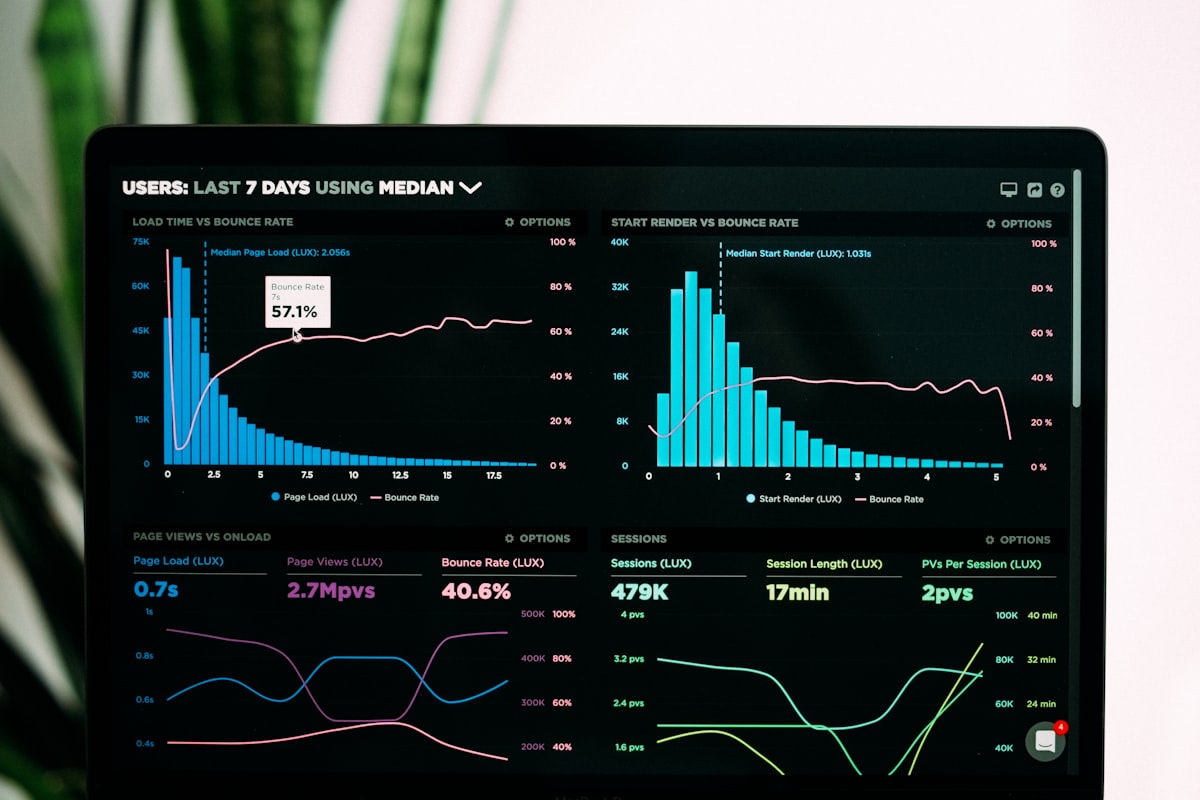
A practical test before you commit to any platform
Ask the vendor to show you how their system would flag that a specific building is 12% behind pace with eight weeks to go. If that answer requires a manual export or a custom report, you are looking at a data storage tool — not a booking management platform.