
Occupancy forecasting matters because delayed visibility is expensive.
PBSA portfolios carry enough scale that small timing issues turn into meaningful revenue impact. If the team cannot see booking pace clearly, the response always comes later than it should.
Strong PBSA software should help operators spot drift in booking momentum, not just report what has already happened.

Look for software that aligns central and site teams.
One of the recurring PBSA problems is fragmentation. Leasing, operations, site teams, and leadership often see different slices of the same problem at different times.
The right platform creates a shared operating picture without forcing endless dashboard hunting.
"The difference between good and great PBSA software is not features — it is whether the whole team sees the same picture at the same time."
What to look for in alignment-focused software
- A single source of truth for booking pace across all sites.
- Visibility into follow-up status that site and central teams share.
- Alerts that surface pressure points before gaps become expensive.
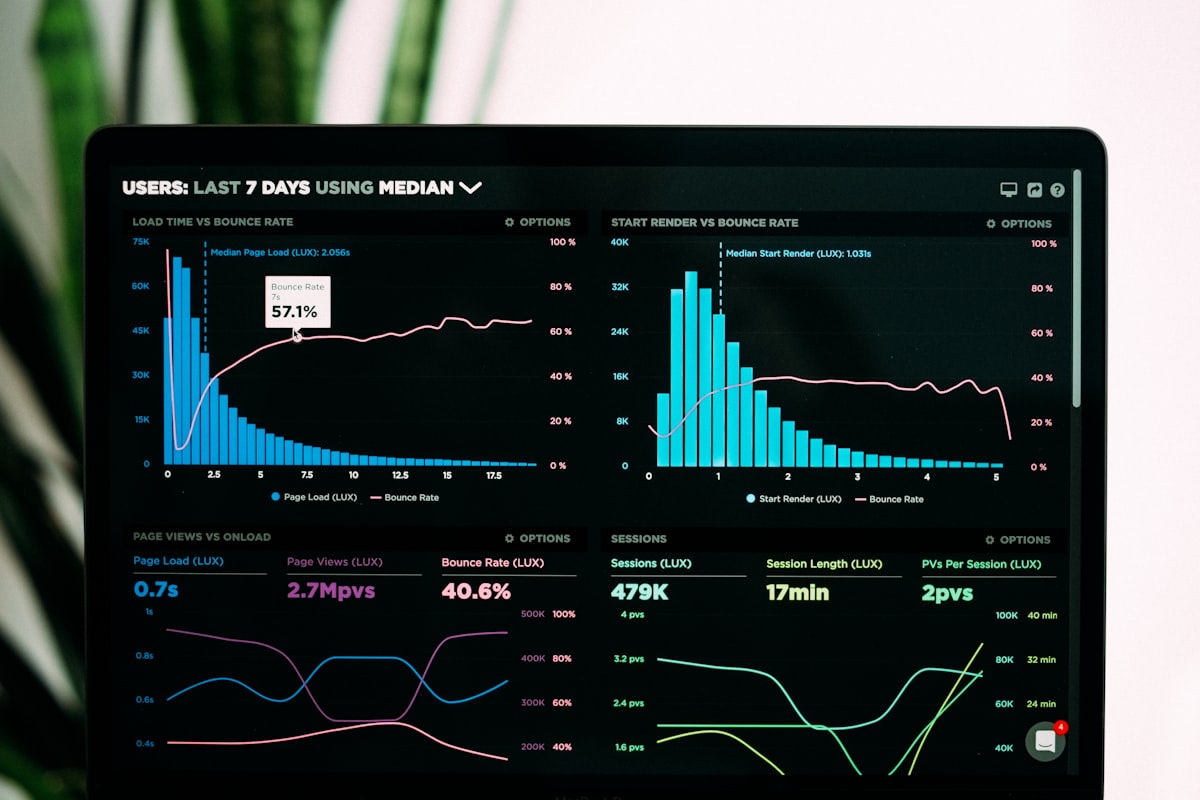
Reporting should support action, not just board packs.
Operators do need summaries, but the bigger win is operational clarity. The best PBSA software makes it easier to answer practical questions quickly: where pace is soft, where follow-up is lagging, and where attention is needed this week.
Questions your software should answer without a report run
- Which sites are behind on booking pace today?
- Where is follow-up slipping relative to lead volume?
- Is the portfolio on track to hit fill targets before the deadline?